Invasive plants choke out native vegetation without providing nutritious food for wildlife. They can also negatively impact crops and livestock. Thanks to U. City
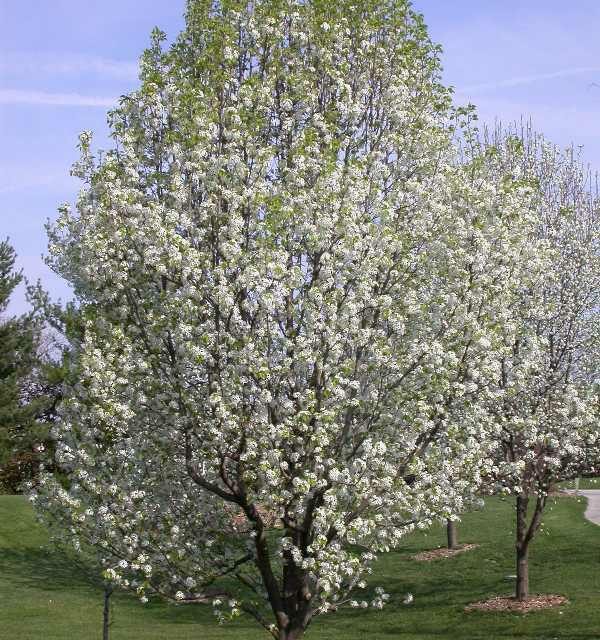
Callery pear (Pyrus calleryana and its cultivars, including Bradford and Chanticleer)
in Bloom horticulture staff and dedicated volunteers, we have made great progress in removing invasive plants from Ruth Park Woods. It’s very discouraging, though, to see that some of the invasive plants such as Wintercreeper and Japanese honeysuckle that we work so hard to remove, are still available for purchase at area nurseries.
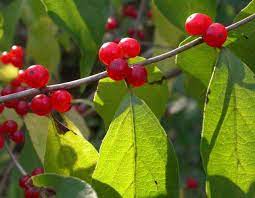
Fortunately, that may be about to change. A public hearing is expected as early as next week (maybe January 22) on a bill filed last month by Representative Bruce Sassmann, Chair of the Missouri House Natural Resources Committee. House Bill 1555 is geared towards ceasing the sale and intentional distribution of five invasive plant species: Callery pear (Pyrus calleryana and its cultivars, including Bradford and Chanticleer), Wintercreeper (Euonymus fortunei); Japanese honeysuckle (Lonicera japonica), burning bush (Euonymus alatus),and sericea lespedeza (Lespedeza cuneata).
For the past several years, the Missouri Invasive Plant Council (MoIP) has been assessing invasive plants in Missouri and inviting input from agriculture, horticulture, and conservation groups as well as the general public with the intention to propose Cease the Sale legislation.
Once passed, the legislation would penalize the sale and/or intentional distribution of the five invasive plant species without imposing sanctions for the presence of these plants in the landscape. This legislation is a good step towards stemming the tide of these destructive invasives. I certainly intend to contact my representative today to urge support for this legislation.
For more information:
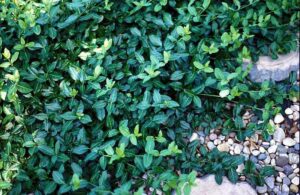
Wintercreeper (Euonymus fortunei)
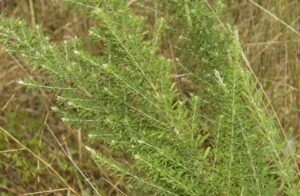
Sericea lespedeza (Lespedeza cuneata)
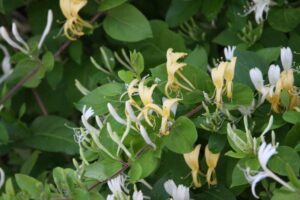
Japanese honeysuckle (Lonicera japonica)
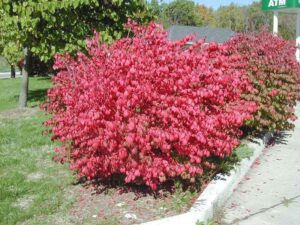
Burning bush (Euonymus alatus)