Are you the sort of gardener who likes each plant to have it’s own little space? Or maybe you’re the gardener who likes things to be ‘higgeldy piggeldy’ letting plants move and re-seed as they like.  Do you have your vegetables on a strict schedule of planting and harvesting? Or maybe you like to order whatever looks interesting and roll the dice? Regardless of your gardening style, a little planning now will be a huge benefit in the coming season. As gardeners we love our plants and the outdoor spaces in which they live. Does it not then make sense to give them a bit of forethought so that when the time comes to plant, harvest, or replace we have a pretty good idea of what we’d like to do? What better time to do this than now as we waste away our evenings in a cozy living room chair awaiting that first little mention of spring.
To begin, the most important thing is to have a good understanding of your space. Are their existing plants or structures? How big are they, and could they potentially cast shadows? I like to get a few rough measurements of an area. Whether I’m starting a kitchen garden or herbaceous border, this step is the same. A quick 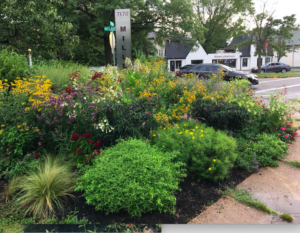 and easy way to do this is to measure your foot. That’s right, no need for a fancy extra long measuring tape. Once you have this measurement you can walk off your space heel to toe and do the math. Commit the size of your foot to memory and you’ll never be without a rough gauge of linear measurement.
Next have a look at your space’s orientation. What direction does your house face? Are you on the north or south side of the street? While accessing sun exposure, avoid one classic mistake made at this time of year. When our big over story trees are without their foliage and our yards are awash in beautiful light we think we have all the sun in the world. Don’t fall victim to this trap! Keep in mind the shade of large trees that may not even be in your yard. South facing gardens will receive the longest sun exposure. North facing gardens can still get full sun (6 or more hours) but it’s important to know where the shadow cast by your house will fall. West facing gardens get the hottest sun of the day usually around 2 or 3 pm and East-facing gardens get the coveted morning sun, which is best for slightly tender plants. While sun exposure is important, it should never exclude the idea of a new garden. Do not be discouraged if you want to grow cut flowers but all you have is a tiny patch of shady northern exposure. By that same token even a sun-baked, tree-free patch off the driveway can support a fern or two. Do your research and find just the right plants to accommodate that position.
Once you have a good hold on the size of your space and how much sun you have or don’t have, consider what you’d like to grow. Let your space work for you rather than the other way around. What are your interests and how much time will you 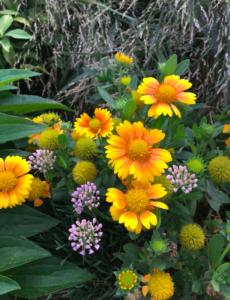 spend outside? While there is nothing more rewarding than growing your own food, a vegetable garden can be very time consuming. Consider a cut flower or herb garden that you can still harvest from but requires less diligence.
Another consideration to be made is your soil. What can the existing soil support and if that’s not what you want to grow then what can be done? I would highly encourage any gardener to have their soil tested but fully realize that this is the last thing on your mind when looking through all of those glorious seed catalogues. Let’s take a different approach. First walk out to the plot you’re hoping to plant in. Then, dig up a little chunk of soil. Squish the soil in your hands and observe: Is the soil sticky? If so you’ve got clay, but don’t despair, you’re not alone. Many catalogues will list the plants that are tolerant of heavy soils. These plants will be your friends and should be considered over others that don’t have that notation.
Finally, think about seasonality. By this I mean how long will something last? In a perfect world those poppies would bloom all summer but we know better. Their beauty is evanescent making it all the more precious! The same can be said for vegetable crops. Who wouldn’t love to harvest strawberries all year long? The truth is that in our climate that’s not possible. By carefully planning though we can always be harvesting, cutting or enjoying something from the garden.
The trick to seasonality is timing above all. That may seem obvious but look at all the other things that could be clouding your 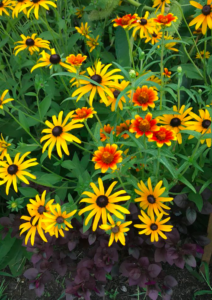 judgment: size, sun, and water requirements not to mention color, taste, and disease resistance! When spring flowers and veggies are wrapping up, always have their replacements on the ready. If you choose to plant seeds rather than plants, be sure that you look at the days until harvest. This will help you to plan for that transition and can also clue you into how quickly the plant will grow. Zinnias and Sunflowers are often great for a late direct sow in herbaceous borders because they grow and flower quickly. Always look at height with these especially because it can be extremely variable. In the vegetable garden, bush beans and cucumbers are two of my favorites for late spring early summer sowing. They grow quickly and will still yield well before the fall sets in. Time is of the essence because even if you find the perfect plant in every other regard it may take too long to flower or produce.
Remember, every garden whether it’s neat as a pin or a messy maven for critters, needs it’s gardener. Don’t fall prey to the late summer slump this year. Give yourself a little insurance policy with a garden plan that works. Start the season with a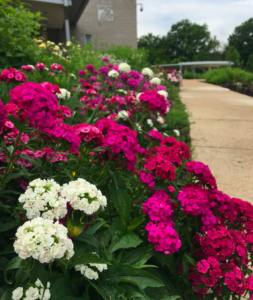 really good layout and assessment of what you have as well as want and need. Don’t hesitate to replace those bedraggled pansies or leggy lettuces with all the beautiful late season beauty you’ve dreamed of. Your purchases of seeds and plants can be made with assurance because you did your homework.